
The Billion-Dollar Question: Recalibrating Strategy or Abandoning Ambition?
British oil giant BP recently announced a landmark deal to sell a 65% majority stake in its iconic Castrol lubricants division to Stonepeak for $6 billion, a move that values the entire unit at over $10 billion. This decision is not just another line item on a balance sheet; it is a pivotal moment that raises fundamental questions about the company’s direction. For years, BP has publicly championed a transition toward green energy, but this significant divestment from a core downstream business has sent ripples through the industry. This article will dissect the strategic rationale behind the Castrol sale, exploring whether it represents a pragmatic financial reset or a more profound U-turn on the company’s much-publicized environmental ambitions, ultimately signaling a return to its fossil fuel roots.
From Beyond Petroleum to Back to Basics: BP’s Turbulent Journey
To understand the weight of the Castrol sale, one must look at BP’s recent history. The company has navigated a turbulent period marked by corporate instability, including the appointment of its fourth CEO in just six years, and consistent underperformance compared to its peers. This contrasts sharply with its earlier, more progressive branding efforts and its recent, ambitious push into renewables. However, declining annual profits and investor pressure have created an urgent need for a “strategic reset.” This reset is built around a massive divestment program aiming for $20 billion in asset sales by 2027. The Castrol deal is a cornerstone of this plan, designed to shed non-core assets and refocus the company on what it does best. This backdrop is crucial for understanding why a seemingly drastic move is being framed internally as a necessary step toward stability and long-term health.
Dissecting the Deal: Financial Imperatives and Strategic Sacrifices
Strengthening the Balance Sheet: A Necessary Financial Maneuver
At its core, the sale of Castrol is a powerful financial maneuver. The $6 billion cash injection is a direct and immediate remedy for a strained balance sheet, allowing BP to significantly pay down debt and improve its financial standing. In a market where investors are demanding stability and predictable returns, this move is a clear signal that the new leadership is prioritizing fiscal discipline. This transaction single-handedly accomplishes a significant portion of the company’s $20 billion divestment target, demonstrating a decisive commitment to its strategic reset. By shoring up its finances, BP creates a more resilient foundation, whether it chooses to invest in future oil and gas projects or, more selectively, in its green energy portfolio.
The Green U-Turn Narrative: Prioritizing Hydrocarbons Over Renewables
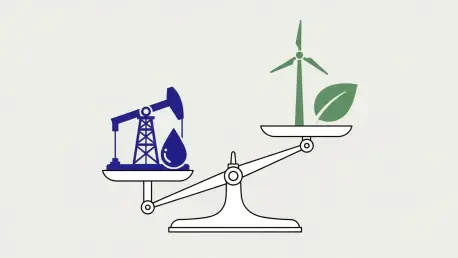
The most debated aspect of the Castrol sale is what it signals about BP’s commitment to the energy transition. Market observers almost unanimously interpret this move as a pivot back to the company’s “bread and butter”: oil and gas exploration and development. Selling a high-profile, profitable downstream business like Castrol frees up immense capital and managerial focus that can be redirected toward its more traditional, and often more profitable, upstream operations. This action speaks louder than words, suggesting that the high-capital, longer-term returns of many green energy projects are being de-prioritized in favor of the more immediate and certain profits from hydrocarbons. This perceived “U-turn” reflects the immense pressure on energy majors to deliver shareholder value in the present, even at the potential cost of their long-term green credentials.
Simplifying Complexity: Streamlining for a Leaner Operation
Beyond the financial and strategic implications, the Castrol sale serves a crucial operational purpose: reducing organizational complexity. While Castrol is a world-renowned brand, its lubricants business operates distinctly from BP’s core integrated oil and gas value chain. Divesting the majority stake allows BP to streamline its sprawling corporate structure and enables leadership to concentrate on its primary energy business. Retaining a 35% stake is a savvy move, allowing BP to continue benefiting from Castrol’s future success without the day-to-day operational burden. This approach—simplifying the portfolio to focus on core competencies—is a classic business strategy for a company looking to stabilize after a period of turmoil and underperformance.
What’s Next for BP? Navigating a Post-Transition Landscape
With the Castrol sale setting a new tone, the industry is watching to see what comes next. Analysts widely expect further asset sales as BP pushes to complete its $20 billion divestment program. The key question is how the company will reallocate its newly freed-up capital. Will green energy investments be significantly scaled back, or will the company pursue a more focused strategy on specific, high-potential renewable sectors like offshore wind or hydrogen? This move positions BP on a more conservative path compared to some European rivals who are doubling down on green tech. The ultimate test will be whether this “back to basics” approach delivers the superior returns and stability that investors are craving in an increasingly volatile global energy market.
Key Takeaways for Investors and Industry Watchers
The analysis of BP’s Castrol sale yields several critical takeaways. First, the decision is driven primarily by an urgent need to strengthen the company’s financial position and deliver shareholder value in the short term. Second, it unmistakably signals a strategic re-prioritization, shifting focus and capital back toward the core oil and gas business. Finally, it serves as a powerful case study on the immense challenge energy giants face in balancing long-term environmental commitments with the immediate pressures of the market. For investors, the path forward is to monitor BP’s subsequent capital allocation decisions closely. For the wider industry, this is a moment to reflect on the pragmatic, and sometimes harsh, realities of financing the global energy transition.
A Pragmatic Pivot or a Retreat from the Future?
Ultimately, BP’s sale of a majority stake in Castrol is far more than a simple transaction; it is a clear declaration of a new, more pragmatic corporate strategy. Faced with internal instability and market pressure, the company is charting a more conservative course, placing profitability and operational focus on its hydrocarbon core firmly at the top of the agenda. This does not mean BP has abandoned its green ambitions entirely, but it has certainly recalibrated them. The decision leaves the energy world with a thought-provoking question: In the high-stakes race to navigate the energy transition, is BP’s calculated step back a strategic masterstroke ensuring its survival and prosperity, or is it a costly retreat from the very future it once promised to lead?