
A High-Stakes Gambit: Military Drills and Diplomatic Maneuvers
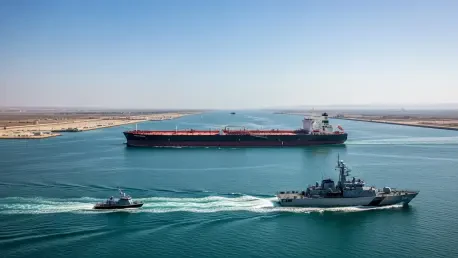
In a move that captured global attention, Iran’s Revolutionary Guard temporarily closed portions of the Strait of Hormuz, a waterway of immense strategic importance, to conduct a military exercise. This calculated show of force occurred concurrently with sensitive nuclear negotiations between Tehran and the United States in Geneva, creating a tense backdrop for diplomacy. This article delves into the multifaceted implications of Iran’s actions, exploring the delicate interplay between military posturing and high-stakes negotiation. It will analyze the immediate impact on global energy markets, the strategic messaging behind the drills, and the broader context of the long-standing geopolitical standoff, providing insight into a complex and volatile situation.
The Hormuz Chokepoint: A History of Tension and Strategic Importance
The Strait of Hormuz is more than just a narrow strip of water; it is the world’s most critical oil chokepoint. The strait’s historical significance is rooted in its geography, connecting the Persian Gulf with the open ocean and serving as the primary maritime route for a vast portion of global energy supplies. According to 2025 data, approximately 13 million barrels of crude oil—representing about 31% of all seaborne crude flows—transit through this waterway daily. For decades, the strait has been a flashpoint in regional and international relations, particularly between Iran and Western powers. Tehran has frequently used the threat of closing Hormuz as leverage, turning the waterway into a barometer of geopolitical tension related to its nuclear program, sanctions, and regional influence. Understanding this history is crucial to interpreting Iran’s recent actions not as an isolated event, but as the latest chapter in a protracted strategic chess match.
Analyzing the Dual-Track Strategy
Projecting Power: Iran’s Revolutionary Guard Flexes Its Muscles
The military drill, dubbed “Smart Control of the Strait of Hormuz,” was explicitly designed to showcase Iran’s operational readiness and reinforce its deterrence capabilities. By conducting maneuvers in this vital international lane, Tehran sent an unambiguous message: it possesses the military capacity to disrupt a critical node in the global economy. This action serves as a powerful reminder of Iran’s leverage, demonstrating to negotiators in Geneva and capitals around the world that its influence extends far beyond the diplomatic table. While officially framed as a measure for “security precautions,” the timing and location of the exercise were a clear form of strategic signaling, intended to strengthen Iran’s bargaining position by highlighting the potential consequences of a diplomatic failure.
A Ripple, Not a Wave: Assessing the Global Economic Impact
Despite the dramatic nature of closing a major waterway, the direct impact on shipping and energy markets was surprisingly muted. An industry expert characterized the disruption as likely to cause only “minor nuisance and delays” for commercial vessels, suggesting the closure was partial and well-communicated. This assessment was reflected in the market’s response, where a potentially volatile situation failed to trigger a panic. In fact, oil prices ultimately fell, erasing earlier gains and indicating that traders and analysts did not perceive the exercise as a genuine, sustained threat to supply chains. This subdued reaction suggests a market that has grown accustomed to Iran’s periodic saber-rattling and priced in a degree of regional risk, differentiating between a temporary military drill and an actual blockade.
The Diplomatic Front: Cautious Optimism in Geneva
While military hardware was on display in the Persian Gulf, diplomats were engaged in intense negotiations in Geneva. The talks yielded some cautious progress, with Iran’s foreign minister reporting that an understanding had been reached on “guiding principles” for a potential nuclear accord. However, he was quick to temper expectations, stressing that a final, comprehensive agreement was not yet close. This juxtaposition of military drills with diplomatic advancements highlights Tehran’s dual-track approach: pursuing dialogue while simultaneously demonstrating its capacity to escalate if negotiations falter. The limited but tangible progress in Geneva suggests that both sides remain committed to a diplomatic solution, even as they navigate a landscape fraught with military posturing and deep-seated mistrust.
Navigating the Future: What This Means for Regional Stability
The temporary closure of the Hormuz Strait serves as a potent indicator of future trends and potential flashpoints. This event signals that Iran is likely to continue using asymmetric tactics—leveraging its control over strategic chokepoints—as a key component of its foreign policy and negotiating strategy. Observers predict that such military exercises may become more frequent in response to perceived pressure or setbacks in diplomatic efforts. The key question for the future is whether this delicate balance can be maintained. Any miscalculation during one of these drills, or a decision by Tehran to prolong a closure, could rapidly escalate the situation, triggering a military and economic crisis with global repercussions. The future of regional stability will depend on the ability of all parties to interpret these signals correctly and keep diplomatic channels open.
Strategic Insights and Key Takeaways
The analysis of Iran’s actions yields several major takeaways. First, Tehran is adeptly pursuing a dual-track strategy, combining military pressure with diplomatic engagement to maximize its leverage. Second, the global energy market has developed a certain resilience to this type of short-term, symbolic posturing, distinguishing between calculated drills and genuine threats of a full-scale blockade. For policymakers and industry leaders, the key recommendation is to maintain a steady focus on the substance of the nuclear negotiations, as this remains the root cause of the tension. While monitoring Iran’s military activities is crucial for risk assessment, overreacting to symbolic displays of force can be counterproductive and play into Tehran’s strategy of intimidation.
The Enduring Standoff: A Precarious Balance of Power
In conclusion, Iran’s partial closure of the Strait of Hormuz amid nuclear talks encapsulated the complex and precarious nature of modern geopolitics. The event was a masterclass in strategic signaling, reminding the world of the critical link between the flow of oil and the progress of diplomacy. While the immediate economic fallout was negligible, the incident underscored the long-term significance of both the Hormuz Strait and the unresolved Iranian nuclear issue. This standoff represented a delicate balance of power, where military deterrence and diplomatic dialogue were two sides of the same coin. The enduring challenge for the international community was to navigate this fragile equilibrium without allowing a calculated maneuver to spiral into a catastrophic conflict.