
Vast, modern gas-fired power plants across India stand as silent monuments to an energy paradox, capable of generating immense electricity yet stymied by the prohibitive cost of the very fuel they were built to consume. This stark reality frames the high-stakes negotiations between India and the United States over a potential landmark liquefied natural gas (LNG) deal. As the two nations navigate complex trade discussions, the prospect of U.S. LNG powering Indian industries and homes has emerged as a key bargaining chip, but its success rests entirely on whether the price is right for one of the world’s most price-sensitive energy markets.
The Paradox of Power and Underutilized Potential
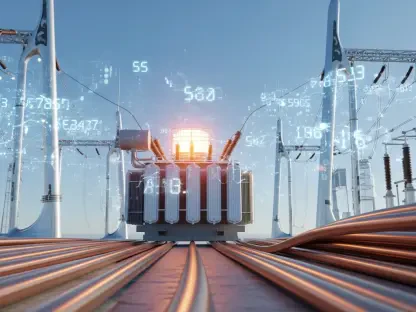
India is currently grappling with a significant energy conundrum. The nation possesses an impressive 27,000 megawatts of gas-fired power generation capacity, yet these advanced facilities operate at less than a quarter of their potential. This chronic underutilization is not due to a lack of demand for electricity but a direct consequence of the high cost of imported natural gas, which makes the power produced too expensive for state-owned distribution companies to purchase.
This situation creates a bottleneck in India’s energy system, hindering its ability to meet peak power demands reliably and cleanly. The idle plants represent billions in stranded assets and a missed opportunity to leverage a cleaner-burning fossil fuel as a transitional energy source. Consequently, securing a steady stream of affordable gas is no longer just an economic goal but a strategic imperative for unlocking domestic industrial capacity and ensuring national energy security.
A Tale of Two Economies and Converging Interests
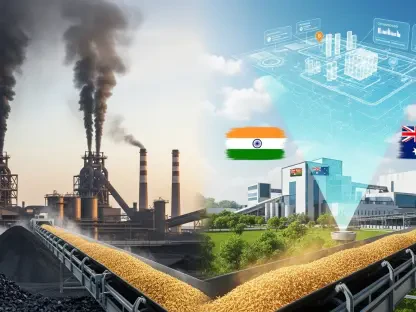
The conversation around LNG is deeply intertwined with the broader economic relationship between Washington and New Delhi. The United States has been actively seeking ways to correct a recent trade deficit with India, which stood at approximately $41 billion. As part of ongoing negotiations, the U.S. has proposed a significant increase in Indian imports of American goods, with LNG at the top of the list, in exchange for favorable tariff adjustments on Indian products.
Simultaneously, India has established an ambitious national mandate to transform its energy landscape. The government aims to more than double the share of natural gas in its primary energy mix, from roughly 6% to 15% by 2030. This push is driven by a need to diversify energy sources, reduce reliance on more polluting fuels like coal, and support the nation’s climate commitments. This alignment of U.S. export goals and Indian import needs creates a powerful foundation for a mutually beneficial agreement.
The High Cost of Fulfilling a National Ambition
India’s domestic energy challenges extend far beyond the power sector. A surge in demand from critical industries, including fertilizer production, city gas distribution networks, and petrochemical refining, is placing immense pressure on the country’s gas supply. These sectors are vital for India’s economic growth and food security, making a consistent and affordable supply of natural gas a necessity.
To prepare for this expected influx, Petronet LNG, the country’s largest gas importer, is aggressively expanding its import and regasification infrastructure. These investments signal a firm commitment to a gas-based economy. However, building terminals is only half the battle. Without long-term supply contracts secured at competitive rates, these facilities risk being underused, mirroring the very problem plaguing the nation’s power plants.
The Decisive Factor in a Top Importer’s Message
The path forward was articulated with unambiguous clarity by Akshay Kumar Singh, the CEO of Petronet LNG. He stated that affordability is the non-negotiable prerequisite for India to increase its consumption of U.S. gas. This is not merely a negotiating tactic but a reflection of market realities in a country where energy costs have a direct impact on industrial competitiveness and household budgets.
As the world’s fourth-largest LNG buyer, India is leveraging its significant market power to influence global energy trade. By signaling its readiness to sign large, long-term contracts, the country presents an invaluable opportunity for gas exporters. However, it also sends a clear message that it will not commit to deals that undermine its economic objectives, compelling sellers to offer pricing structures that align with what the Indian market can sustain.
Charting a Course for a Mutually Beneficial Deal
Ultimately, the success of a U.S.-India LNG partnership boils down to price. Competitive pricing is the key that can unlock this symbiotic relationship, providing the U.S. with a stable, long-term market for its abundant gas reserves while fueling India’s economic expansion and clean energy transition. A workable LNG agreement could serve as a powerful stepping stone toward building trust for a much broader bilateral trade agreement, potentially valued at $500 billion. It demonstrated how targeted cooperation on energy could pave the way for deeper economic integration.
The final deal represented a true win-win scenario. For India, it secured a reliable energy source crucial for powering its industrial ambitions and reducing its carbon footprint. For the United States, it opened a key growth market, helping to balance its trade ledger and solidifying its role as a premier global energy supplier. The agreement was a testament to how shared interests, when supported by pragmatic and flexible negotiations, could forge powerful and lasting strategic partnerships.