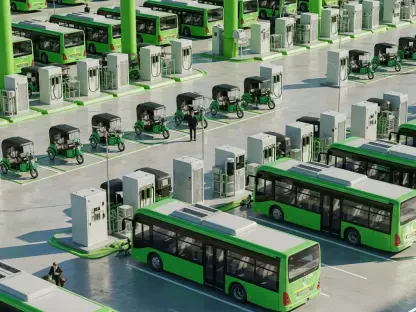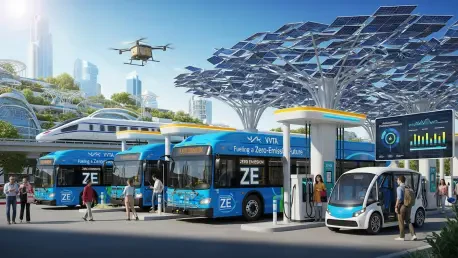

The Victor Valley Transit Authority recently ushered in a new chapter for public transportation in California’s High Desert, launching a comprehensive initiative that pivots sharply toward a zero-emission future. During a landmark ribbon-cutting ceremony on January 14, the agency unveiled a fleet of 13 new hydrogen fuel cell buses, an interim hydrogen fueling station, and a complete rebranding to modernize its regional identity. This multifaceted effort, celebrated by local, regional, and state leaders, marks a significant investment in sustainable infrastructure and sets a new standard for green transit in challenging environmental conditions. The move underscores a deep-seated commitment to environmental stewardship and innovation, aiming to provide cleaner, more efficient transportation solutions for the communities it serves. James Noble, Chair of the VVTA Board of Directors, emphasized that this milestone was the culmination of years of meticulous planning and collaborative effort, positioning the agency as a vanguard in building a cleaner, more interconnected region.
A Strategic Leap into Hydrogen
Building on a Legacy of Clean Energy
The Victor Valley Transit Authority’s transition to hydrogen fuel cell technology is not an abrupt shift but a calculated progression in its long-standing history of championing clean transportation. For decades, the agency operated its fleet on renewable natural gas, establishing an early commitment to reducing its carbon footprint. This dedication was further demonstrated with the introduction of battery-electric buses into its service fleet in 2019, which provided valuable experience in zero-emission operations. According to Chief Maintenance Officer Dustin Strandberg, who spearheaded the technological advancement, this history of leadership made the adoption of hydrogen a natural and strategic next step. The move aligns perfectly with the agency’s operational requirements and addresses the unique challenges posed by its vast service area and the extreme climate of the High Desert. By building on its past successes and accumulated knowledge, VVTA has seamlessly integrated this advanced technology, ensuring that its evolution toward a fully zero-emission fleet is both sustainable and operationally sound for the long term.
The Rationale for Hydrogen Adoption
The decision to embrace hydrogen fuel cell technology was driven by a careful evaluation of the region’s specific needs, which often render other green technologies less effective. While battery-electric buses marked a significant step forward, hydrogen fuel cell vehicles offer distinct advantages that are particularly well-suited to the High Desert’s demanding environment. These buses provide a longer operational range on a single fueling and can be refueled in minutes, a process comparable to diesel buses, thereby minimizing downtime and maximizing service availability. This rapid refueling capability is critical for maintaining rigorous schedules across the sprawling Victor Valley. Furthermore, hydrogen technology demonstrates more consistent performance in the extreme temperature fluctuations common to the desert, ensuring year-round reliability. VVTA CEO Nancie Goff highlighted that this investment is more than a technological upgrade; it represents a profound statement of responsibility to the community and the environment, ensuring cleaner air and a sustainable legacy for future generations.
Orchestrating a Regional Transformation
The Power of Collaborative Partnership
The successful deployment of VVTA’s ambitious hydrogen initiative was made possible through a robust network of partnerships and extensive financial support from multiple levels of government and industry. This large-scale project required a confluence of resources and expertise that no single entity could provide alone. Crucial funding was secured from key public agencies, including the Federal Transit Administration (FTA), the San Bernardino County Transportation Authority, the California Air Resources Board (CARB), and the Governor’s Office of Business and Economic Development (GO-Biz). These contributions were instrumental in financing the new fleet and its supporting infrastructure. In addition to public funding, VVTA acknowledged the vital contributions of its industry partners. The project brought together leading companies such as New Flyer, the bus manufacturer; Linde, the hydrogen supplier; and ZeroMission, which assisted with the infrastructure. Support from Ballard, GMV Syncromatics, and Keolis North America was also critical, showcasing a powerful synergy between public transit goals and private sector innovation.
A New Identity for a New Era
In concert with its technological overhaul, the agency has also launched a significant rebranding initiative to reflect its forward-looking vision and strengthen its regional presence. Officially adopting the name “VVTA,” the agency aims to foster greater clarity, consistency, and a more unified identity across the diverse communities it serves. This rebranding, developed under the guidance of Senior Marketing Manager Chris Ackerman, is far more than a cosmetic update. The new logo and visual identity are designed to symbolize progress, innovation, and the forward momentum driving the organization. This fresh look is intended to align with VVTA’s substantial investments in clean technology and its core mission to advance the High Desert. The synchronized rollout of the new brand with the hydrogen fleet reinforces a clear message: VVTA is not just a transit provider but a key driver of regional progress, committed to delivering safe, reliable, and environmentally responsible public transportation that positions the High Desert at the forefront of the clean transit movement.
A Blueprint for Desert Transit
The Victor Valley Transit Authority’s comprehensive launch of its hydrogen fuel cell fleet and updated brand identity successfully established a new benchmark for sustainable public transportation. This initiative not only advanced the agency’s mission to provide clean and reliable service but also solidified the High Desert’s position as a leader in innovative transit solutions. The project demonstrated how strategic planning, coupled with strong collaborative partnerships across public and private sectors, could overcome significant environmental and operational challenges. By thoughtfully integrating advanced technology tailored to its unique regional needs, VVTA created a functional and inspiring model that other transit agencies facing similar conditions could potentially replicate. The achievement stood as a testament to a long-term vision, underscoring a commitment that extended beyond transportation to encompass community health, environmental stewardship, and regional progress.