
The rhythmic pulse of Havana, usually defined by the vibrant melodies of son cubano and the hum of vintage engines, has been replaced by a heavy, expectant silence as the island grapples with a totalizing energy paralysis. Cuba currently finds itself navigating its most precarious socio-economic and political landscape in decades, facing a multi-front assault characterized by aggressive U.S. foreign policy and an evaporating energy supply. This crisis represents more than a local shortage; it is a global flashpoint where energy security, international alliances, and the sheer resilience of a nation are being tested against the backdrop of modern financial warfare.
The current atmosphere on the island draws unavoidable comparisons to the “Special Period” of the 1990s, yet the modern context is significantly more complex. While the previous century’s hardships followed the collapse of the Soviet Union, today’s struggle is defined by a sophisticated “maximum pressure” campaign from Washington that has effectively weaponized the island’s geographic and economic vulnerabilities. As the Díaz-Canel administration attempts to steer the country through this storm, the situation has become a litmus test for the efficacy of sanctions as a tool of regime change in the twenty-first century.
The Catalyst of Escalation: Geopolitical Tensions and the Oil Blockade
The roots of the current emergency are deeply embedded in Cuba’s strategic alliance with Venezuela, a partnership that has long served as the island’s primary energy lifeline. Tensions reached a breaking point earlier this year following a series of military incidents that resulted in the deaths of Cuban personnel. This escalation prompted the U.S. executive branch to officially designate the Cuban government as an “unusual and extraordinary threat” to national security, providing the legal framework for a scorched-earth economic strategy.
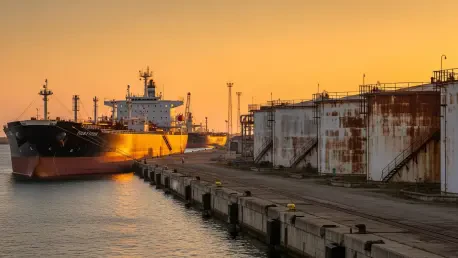
In response to these developments, Washington has moved to sever the flow of petroleum between Caracas and Havana with unprecedented precision. By threatening punitive tariffs and secondary sanctions against any third-party shipping company or nation facilitating oil transfers, the U.S. has created a formidable maritime blockade. Even traditionally supportive regional neighbors have been forced to reconsider their aid; for instance, while Mexico continues to provide humanitarian supplies, it has largely suspended the large-scale oil shipments that once kept Cuban power plants operational.
A Nation in the Dark: The Immediate Impact of Energy Depletion
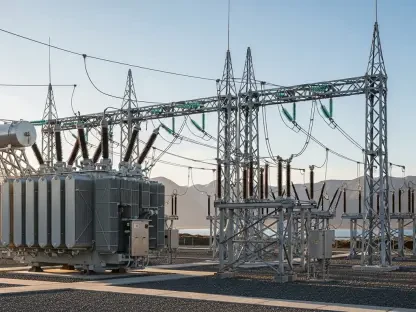
As the fuel reserves dwindle to critical levels, the Cuban government has been forced to adopt a survivalist posture, prioritizing the basic biological needs of the population over any semblance of economic growth. The immediate reality for citizens is one of chronic blackouts and the systematic shutdown of non-essential state functions. This “muddle through” strategy aims to prevent a total social collapse, but it has resulted in a nation that is effectively frozen in time, waiting for a reprieve that has yet to arrive.
Daily life has been fundamentally restructured to accommodate the lack of power, creating a surreal landscape where the gears of modern society have ground to a halt. The government’s refusal to surrender under this external pressure is met with a mixture of domestic stoicism and growing frustration as the infrastructure continues to decay. This internal strain is further compounded by the tightening of migration routes, leaving many Cubans with few options but to endure the darkening reality of their homeland.
Implementation of the Four-Day Work Week
To combat the exhaustion of the national power grid, the administration has mandated a shift to a four-day work week for all state-owned operations. This measure is intended to concentrate energy usage during specific windows, allowing residential areas to receive a few precious hours of electricity each day. Public buildings remain unlit for long stretches, and the once-bustling bureaucracy of the Cuban state has slowed to a crawl in an effort to save every drop of diesel for emergency generators.
The Paralysis of the Tourism and Aviation Sectors
Perhaps the most devastating blow to the economy has been the near-total cessation of international aviation due to the lack of jet fuel. Major carriers, including Air Canada, have withdrawn their services, citing the inability of Cuban airports to guarantee refueling for return flights. This exodus has not only stranded travelers but has effectively severed the island’s primary source of hard currency. The luxury resorts that once served as the regime’s financial backbone now stand largely empty, echoing the broader isolation of the country.
Emergency Rationing of Essential Services
In a desperate bid to maintain social order, the state has implemented a tiered rationing system that prioritizes hospitals, food refrigeration, and water pumping stations over all commercial activity. Schools have seen their hours slashed, and many educational programs have transitioned to limited daytime sessions to avoid the need for artificial lighting. This triage of resources reflects a government in retreat, focusing solely on the prevention of a humanitarian catastrophe while the broader economy withers.
The BRICS Factor: A Test for Multipolar Diplomacy
The crisis has emerged as a high-stakes arena for the BRICS bloc, where Cuba’s status as a “partner country” serves as a test of the group’s ability to counter Western economic hegemony. For nations like Russia and China, the Cuban situation is a platform to demonstrate that an alternative global financial architecture can protect its members from unilateral sanctions. However, the reality of the U.S. dollar’s dominance and the logistical challenges of delivering fuel to the Caribbean have complicated these diplomatic ambitions.
While Beijing has issued stern condemnations of the U.S. blockade, calling it “inhumane,” the tangible support has been tempered by the fear of secondary sanctions affecting Chinese global trade interests. Russia has signaled its intent to assist with redirected tankers, yet the distance and the risk of seizure make this a precarious solution. The tension between ideological support and economic pragmatism within the BRICS nations remains a defining feature of Cuba’s current search for an external savior.
The Current State of Affairs: Strategic Isolation and Domestic Strain
At present, the Cuban government remains locked in a stalemate with the U.S. administration, refusing to offer political concessions in exchange for energy relief. This defiance is a hallmark of the Cuban leadership, but it is being tested by a collapsing domestic infrastructure that was never designed to operate under such prolonged duress. The strategic isolation is nearly absolute, as the traditional “safety valves” of regional diplomacy are increasingly blocked by the far-reaching influence of the U.S. financial system.
Domestically, the strain is visible in every facet of society, from the empty shelves of state-run stores to the silent factories. The government’s ability to suppress or channel public discontent is being pushed to its limits. While the state maintains control through a combination of patriotic appeals and security measures, the long-term viability of this strategy remains in question as the basic requirements for modern life—light, heat, and transport—become luxuries.
Reflection and Broader Impacts: Analyzing the Path Forward
The situation in Cuba serves as a stark reminder of the vulnerability of island nations to energy-based geopolitical maneuvering. The current struggle highlights the profound difficulty of maintaining a centralized socialist model in an era where global finance is increasingly interconnected and weaponized. As the island reaches a breaking point, the international community is forced to weigh the ethics of maximum pressure against the potential for a localized humanitarian disaster.
Reflection
The resilience of the Cuban people has historically been their greatest asset, yet the current structural challenges differ significantly from those of the past. The collapse of the energy grid is not merely a technical failure but a symptom of a deeper isolation that modern financial sanctions have perfected. While the spirit of the population remains a factor, the physical reality of a country without fuel creates a ceiling for how long any administration can survive without significant external intervention or internal reform.
Broader Impact
Looking beyond the Caribbean, this crisis may redefine the global understanding of energy as a weapon of war. If the U.S. campaign succeeds in forcing a transition, it will provide a blueprint for future foreign policy; conversely, if Cuba survives through BRICS intervention, it will signal a definitive shift toward a multipolar world. The outcome will likely influence how mid-sized powers navigate their alliances, choosing between the security of the Western financial umbrella and the burgeoning alternatives offered by the East.
The Uncertain Future of the Cuban State
The collision of U.S. sanctions, a severed Venezuelan lifeline, and the test of BRICS solidarity has placed the Cuban state at a historic crossroads. The sustainability of the current “muddle through” strategy appeared increasingly doubtful as the lack of foreign exchange and fuel reached a critical mass. In response, observers should look toward the potential for a managed political transition or a sudden shift in energy diplomacy as the only viable exits from this deadlock. Navigating the coming months will require the international community to balance geopolitical interests with the urgent need to prevent a total collapse of the island’s essential services. Progress in this area was largely dictated by whether Havana could secure a reliable, long-term alternative to Venezuelan oil while under the watchful eye of the American treasury. Ultimately, the Cuban experience established a modern precedent for how small nations endure or transform when caught in the gears of a global power struggle.