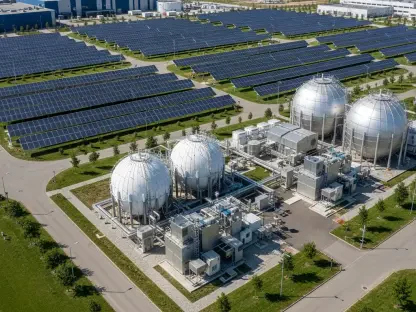

The vast landscape of the Central Asian steppe holds a geological secret that could redefine global energy markets, as Kazakhstan moves to transform its immense coal reserves into high-tech chemical assets. This shift from raw extraction to sophisticated processing marks a pivotal moment for national energy security. By leveraging a massive reserve base estimated to last 300 years, the country is positioning itself as a leader in resource maximization.
Assessing the Strategic Shift Toward Kazakhstan’s Coal Chemistry
The industrial heartlands of Pavlodar and Karaganda serve as the epicenter for this transformation, where a workforce of 32,000 people supports traditional mining. The current goal involves moving up the value chain toward synthetic fuel manufacturing. This transition aims to turn raw materials into a sustainable engine for economic growth.
Technological influences are reshaping the region, turning mining hubs into centers for innovation. By focusing on deep processing, the state creates complex products like metallurgical coke and synthetic fuels. This strategy reduces vulnerability to raw commodity price fluctuations while strengthening the nation’s internal industrial base.
Analyzing Market Dynamics and Expansion Projections
Emerging Trends: Coal Conversion and Synthetic Fuels
The adoption of coal-to-liquid technologies is gaining momentum, specifically targeting domestic diesel production. This move addresses a gap in the market, where synthetic natural gas and ammonia are becoming essential for self-sufficiency. Moreover, the integration of coal tar processing allows for benzene production, further diversifying the chemical output.
Industrial behavior is shifting as domestic production of urea begins to stabilize agricultural supply chains. These developments represent a reimagining of how coal serves modern chemistry beyond simple combustion. Consequently, demand for high-purity chemical derivatives is expected to rise as local manufacturing expands.
Growth Indicators: Long-Term Performance Forecasts
Current data indicates a robust trajectory, with raw coal extraction targeted to reach 128.9 million tons this year. This surge is backed by a $1.1 billion investment influx, signaling strong confidence from both state and private investors. These figures reflect a concerted effort to stabilize the energy sector through internal production.
Productive capacity is hitting new milestones, delivering 200,000 tons of diesel annually to replace expensive imports. These indicators suggest the sector is becoming a primary economic driver. Long-term forecasts point toward steady increases in output as new facilities come online across the country.
Overcoming Structural and Technological Hurdles
High capital requirements act as a barrier to entry for many stakeholders in this sector. Building chemical plants demands massive upfront financial commitments and long-term investment cycles. Furthermore, the specialized technical expertise needed to operate these high-tech facilities remains in high demand, requiring new educational initiatives.
Logistical demands also present a unique challenge when scaling output in remote regions. Developing infrastructure to transport liquid fuels across the vast territory requires extensive planning and capital. Addressing these bottlenecks is essential for maintaining the momentum of the coal-to-fuel initiatives.
Establishing a Governance and Regulatory Framework
A significant hurdle remains the absence of a comprehensive legal structure tailored to coal chemistry. The Energy Ministry is drafting new standards for synthetic fuel quality and environmental safety to address this gap. Without clear guidelines, long-term investment security could be compromised by regulatory uncertainty.
Government-led roadmaps provide a stable environment for industrial growth and environmental compliance. These frameworks align local production with international quality standards, ensuring products are competitive. Establishing these rules is a critical step toward ensuring sector stability and long-term investor confidence.
Mapping the Future of Kazakhstan’s Energy Backbone
Modernizing 11 existing power plants and constructing eight new coal-fired facilities demonstrate that coal remains the foundation of the grid. By integrating coal chemicals, the nation disrupts its traditional reliance on petroleum imports. This synergy creates a more resilient energy ecosystem.
Global economic conditions continue to shape the trajectory of this industrial sector. As Kazakhstan enhances its export potential, coal chemicals become a primary trade asset. The move toward higher efficiency ensures that the resource remains relevant in a changing global landscape.
Final Outlook on Kazakhstan’s Resource Transformation
The viability of coal-to-fuel initiatives was demonstrated through the launch of projects worth over $128 million. These developments secured the energy supply and created 3,000 new high-skilled jobs. It was essential for stakeholders to prioritize workforce training to maintain these gains.
Sustaining this growth required a focus on technological upgrades and regulatory clarity. Moving forward, the government had to ensure infrastructure kept pace with extraction rates. This strategy successfully anchored energy independence for the next century.