
Arizona is rapidly evolving into a global epicenter for the semiconductor and artificial intelligence sectors, yet this unprecedented industrial expansion is placing an immense strain on the aging power infrastructure that currently serves the desert Southwest. This tension has forced a strategic pivot toward advanced nuclear technology to sustain the state’s economic momentum. While traditional light-water reactors have served as the backbone of the grid for decades, the current surge in demand requires a more sophisticated approach. The state is now moving beyond legacy systems to embrace next-generation designs specifically engineered to handle the relentless appetite of modern technology and high-density industrial corridors.
The primary drivers of this transition are the hyper-growth of the semiconductor industry and the proliferation of massive data center campuses. These facilities operate on a scale that overwhelms conventional energy sources, necessitating a shift in how energy is generated and distributed. The Palo Verde Nuclear Generating Station remains a critical benchmark, proving that high-capacity nuclear assets can thrive in harsh environments. Consequently, legislative consensus in Arizona is gravitating toward nuclear-integrated infrastructure as the only viable path to long-term stability. This movement reflects a broader understanding that the state’s technological aspirations cannot be realized without a foundation of energy that is both clean and unfailingly reliable.
The New Frontier of Arizona’s Nuclear Energy Landscape
Policy leaders and utility planners are increasingly recognizing that the state’s economic health depends on a reliable, carbon-neutral energy supply that can operate regardless of weather conditions. The transition away from traditional reactor designs is not merely a preference but a necessity dictated by the unique thermal and geographical constraints of the region. Next-generation reactors, including those using molten salt or gas-cooled systems, offer a densified energy footprint that fits within existing industrial zones more efficiently than sprawling solar farms. This compact nature allows for closer integration with manufacturing hubs, reducing the energy loss associated with long-distance transmission.
Moreover, the regulatory environment is adapting to accommodate these innovations. There is a growing focus on integrating small modular reactors into the existing grid to provide localized support for high-consumption zones. This legislative alignment suggests that the state is preparing for a future where nuclear energy is the primary engine of progress, rather than a supplementary source. By establishing a clear framework for these new technologies, Arizona is positioning itself to lead the nation in nuclear-powered industrialization.
Navigating the Transition from Intermittent Sources to Constant Baseload Power
Emerging Trends in AI-Driven Consumption and Grid Dexterity
The emergence of the baseload problem has fundamentally changed the conversation around energy security. Unlike residential areas where demand ebbs and flows, AI operations and hyperscale data centers require a flat, unwavering power profile twenty-four hours a day. This consistency creates a mismatch with intermittent sources like solar and wind, which often experience significant drops in production during the very times when the grid needs them most. As a result, reliance on intermittency alone would require a massive and expensive over-building of capacity that remains idle for much of the day.
Advanced nuclear systems bridge this gap by offering a capacity factor exceeding ninety percent. This level of performance provides a foundation that intermittent sources simply cannot match without astronomical investments in battery storage. Moreover, the evolution of operational dexterity in new reactor designs allows them to simulate the flexibility of natural gas. This means that instead of just providing a steady hum, these reactors can adjust their output to balance the grid as renewable inputs fluctuate, ensuring that the total system remains stable and responsive to real-time changes.
Market Projections and the Economic Value of Energy Reliability
Economic forecasts indicate that Arizona could face a significant energy deficit within the next few years if the current infrastructure remains static. High-capacity nuclear power is becoming the deciding factor for technology firms looking to relocate or expand in the region. Without a guarantee of reliable electricity, the state risks losing multi-billion-dollar investments to competing markets that have more robust energy portfolios. Reliability is no longer just a technical requirement; it is a primary economic asset that defines the state’s competitive edge.
Data from recent extreme weather events, including prolonged heatwaves, has underscored the vulnerability of non-nuclear sources. While some systems struggled under thermal stress, nuclear assets maintained steady production, serving as a lifeline for the state. Long-term market projections suggest a rapid expansion for small modular reactors and microreactors, which are expected to become standard components of the industrial landscape throughout the Southwest. These projections reflect a growing market appetite for energy assets that are immune to the volatility of weather and fuel supply chains.
Overcoming Technical Hurdles and Resource Limitations
The historical inflexibility of nuclear power is being addressed through breakthrough engineering. Traditional plants were designed to run at full power indefinitely, making them slow to respond to grid changes. New designs utilize advanced cooling mechanisms and robust fuel forms that can withstand the thermal stress of rapid load-following. These innovations allow reactors to ramp their power levels up or down much more quickly than their predecessors, effectively neutralizing the old argument that nuclear energy is too rigid for a modern grid.
By decoupling heat generation from electricity production, these systems can store excess energy as heat and convert it to power only when needed. This approach reduces the physical wear on the reactor core while maximizing efficiency across the entire system. Additionally, the small footprint of these reactors allows them to be co-located with the very industrial plants they serve, reducing transmission costs. This physical proximity simplifies the cooling requirements and provides a direct, secure line of power to high-value manufacturing assets.
Strengthening the Regulatory Framework and Safety Standards
National and state energy policies are beginning to streamline the path for deploying advanced reactor technologies. The licensing process for non-traditional designs, such as helium-cooled or molten salt reactors, is being modernized to reflect the inherent safety features of these systems. This regulatory evolution is crucial for moving these projects from the laboratory to the field where they can begin supporting the economy. A more agile regulatory approach ensures that safety remains paramount without becoming a barrier to the deployment of safer, more efficient energy solutions.
Public-private partnerships are playing an essential role in this process by sharing the risks associated with first-of-a-kind deployments. These collaborations ensure that safety protocols for microreactors are rigorous while also being practical for localized industrial integration. By fostering a collaborative environment, Arizona is setting a standard for how government and industry can work together to solve complex energy challenges. These partnerships also provide the financial backing necessary to see long-term projects through to completion.
The Future of Energy: Integrated Grids and Technological Disruption
Technological disruption in the nuclear sector is paving the way for reactors like the eVinci and Natrium models to provide near-instantaneous response times. These systems are capable of following the load requirements of the grid with a level of precision previously only seen in natural gas turbines. This agility is the key to maintaining a stable grid that can handle the volatility introduced by high percentages of renewable energy. As more of these units are deployed, the grid will become increasingly resilient against sudden surges or drops in power demand.
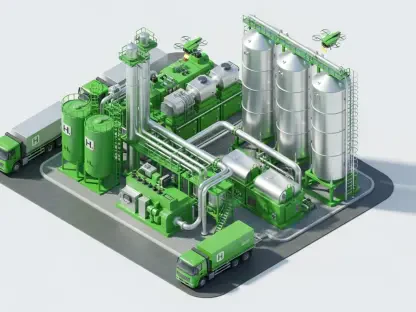
Integrated grids will likely see nuclear plants not just as electricity providers, but as sources of carbon-neutral industrial heat and hydrogen production. This multi-purpose functionality increases the value proposition of nuclear energy, making it a cornerstone of a diversified industrial economy. As these technologies mature, Arizona is positioned to serve as a global model for how advanced manufacturing can thrive in harmony with a clean energy grid. The potential for these reactors to provide high-temperature steam for chemical processing further expands their utility beyond simple power generation.
Securing Arizona’s Economic Trajectory Through Nuclear Innovation
The realization that advanced nuclear power was the only viable solution to prevent a structural energy crisis became clear as industrial demands outpaced traditional supply. Technological evolution neutralized the historical arguments regarding the lack of nuclear flexibility, proving that modern reactors could indeed compete with gas for grid responsiveness. Policymakers and investors recognized the need to prioritize agile, high-capacity assets to ensure the state did not fall behind in the global technological race. This shift in priority represented a fundamental change in how the state approached long-term resource planning.
Arizona established itself as a leader by embracing these innovations and moving beyond the limitations of legacy power systems. The focus shifted toward deploying a network of modular and microreactor units that provided the necessary redundancy for a high-tech economy. Future considerations involved the expansion of these assets to support hydrogen development and sustainable industrial heating. This transition secured the economic trajectory of the region, ensuring that the necessary power was available to drive the next wave of human ingenuity. The successful integration of these systems demonstrated that energy independence and environmental goals could be achieved simultaneously.